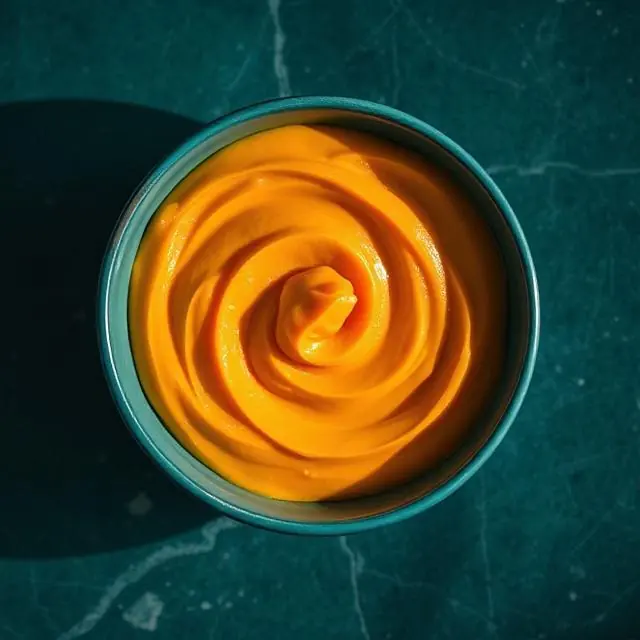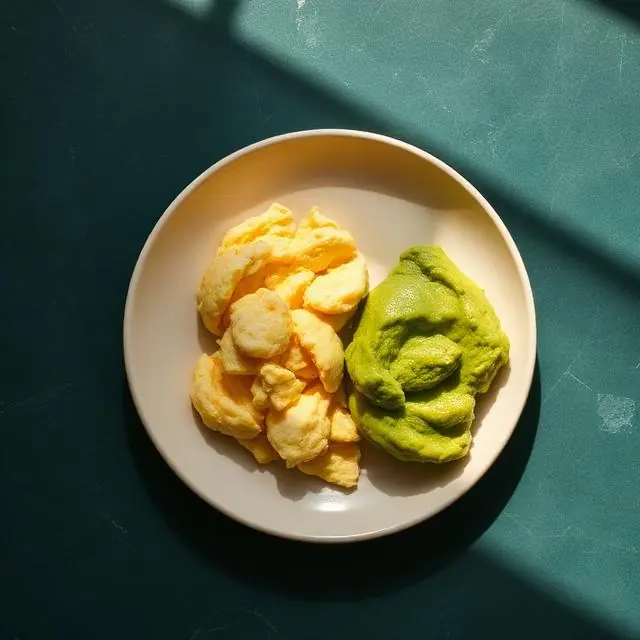


Glasses and bowls of smooth liquid foods arranged on a warm surface
Start here

What all these diet stages actually mean

If someone handed you a folded sheet that said “full liquids for two weeks” and left the room — this page is for you. Plain language, no jargon, and a link to the foods that fit each stage.

Why this site exists

Recovery diets are prescribed constantly — after bariatric surgery, a Nissen fundoplication, jaw surgery, a GI flare, or a swallowing diagnosis. What almost never comes with them is a practical answer to the only question that matters at 7pm on a Tuesday: so what do I actually eat tonight?

EatFullyLiquid is that missing answer. It pulls together the products, homemade options, soups, protein boosters, supplements and kitchen tools that other people on these diets have found and rated — and organizes all of it by the stage you're on, with protein and calories right on the front of every card.

Everything in one place

Foods, soups, shakes, vitamins and tools, instead of twelve browser tabs and a hospital printout.

Sorted by your stage

Every item is tagged to a texture stage, so you only see what's safe for where you are today.

Protein and calories up front

The two numbers that matter most in recovery are on every card — no label-squinting required.

Real people, not brands

Items are upvoted and suggested by others who've been through it, then reviewed before they go live.

The progression, at a glance

Clinical diets are ranked by how thick the food is and how big the pieces are. Most recovery plans walk you along this line, one step at a time.

  1. 01Clear LiquidsIDDSI 0–1
  2. 02Full LiquidsIDDSI 2–3
  3. 03PureedIDDSI 4
  4. 04Mechanical SoftIDDSI 5
  5. 05Soft FoodsIDDSI 6

Every stage, defined

Clear Liquids

Clear Liquids

IDDSI 0–1

Also called: Clear Liquid Diet

Rests the digestive tract while keeping you hydrated. Common right after surgery, before a colonoscopy, or during bad nausea.

Texture: See-through at room temperature and leaves no residue behind.

How long: Usually 24–48 hours — it isn't nutritionally complete on its own.

Typically allowed

  • Clear broth, bouillon and consommé
  • Pulp-free juices (apple, white grape, cranberry)
  • Water, ice chips, electrolyte drinks
  • Plain gelatin and fruit ices without pieces
  • Plain tea or black coffee, no creamer
  • Clear protein drinks (clear whey isolate)
Full Liquids

Full Liquids

IDDSI 2–3

Also called: Full Liquid Diet

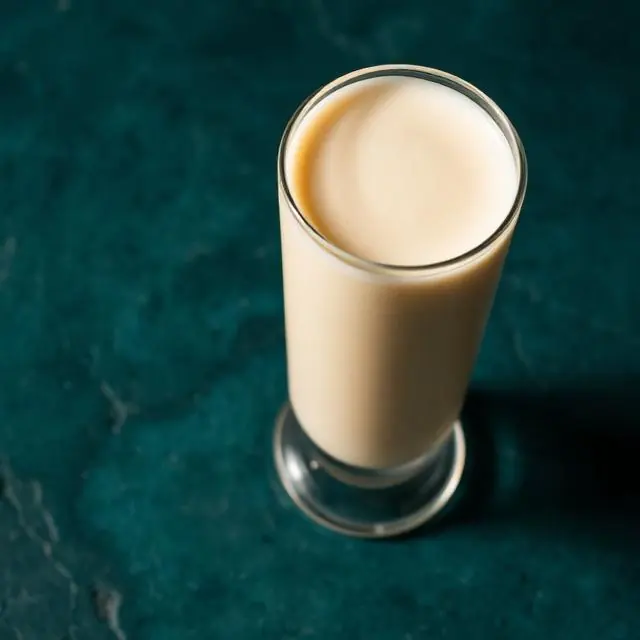
The bridge between clear liquids and real texture. Used after bariatric or GI surgery, with severe mouth pain, or whenever solids aren't tolerated yet.

Texture: Everything pourable — including dairy, fats and very fine purees that melt at body temperature.

Typically allowed

  • Everything from clear liquids
  • Milk, buttermilk and milk alternatives
  • Smooth ice cream, frozen yogurt, sherbet
  • Strained cream soups and bone broths
  • High-protein shakes and smooth milkshakes
  • Thin, strained hot cereals (cream of wheat)
  • Smooth pudding, custard and yogurt
Pureed

Pureed

IDDSI 4

Also called: Pureed / Smooth Diet

For moderate swallowing difficulty, jaw injuries, or the puree phase of bariatric and post-Nissen recovery.

Texture: Pudding-thick and cohesive. Holds its shape on a spoon, needs no chewing, and has zero lumps, fibers or grains.

Typically allowed

  • Blended meats or poultry loosened with broth
  • Pureed vegetables — squash, carrot, sweet potato
  • Smooth mashed potatoes
  • Applesauce and smooth banana puree
  • Blended legumes, hummus, smooth refried beans
  • Pureed cottage cheese or ricotta
Mechanical Soft

Mechanical Soft

IDDSI 5

Also called: Minced & Moist

Mild-to-moderate swallowing difficulty, or the step out of purees. Only minimal chewing required.

Texture: Soft, moist pieces minced to about 4mm — the width of the gap between fork tines — with enough sauce that they hold together.

Typically allowed

  • Finely minced beef, turkey or chicken in thick gravy
  • Mashed fish or tuna salad with no crunchy bits
  • Scrambled eggs and egg salad
  • Well-cooked, finely mashed vegetables
  • Small-grain hot cereals like oatmeal
Soft Foods

Soft Foods

IDDSI 6

Also called: Soft & Bite-Sized (Mechanical Soft)

Dental issues, mild swallowing difficulty, or the final “soft foods” phase of surgical recovery.

Texture: Naturally tender foods cut into bite-sized pieces around 15mm that squash easily with a fork.

Typically allowed

  • Slow-cooked tender meats and stewed poultry
  • Flaky baked fish
  • Soft-cooked carrots, zucchini and squash
  • Ripe bananas, canned peaches, melon
  • Casseroles, soft pasta and rice with sauce
  • Eggs, tofu and soft cheeses

Soft diets prescribed for a specific condition

Beyond texture, care teams often add a therapeutic layer on top — the food still has to be soft, but certain ingredients come off the table too.

BRAT diet

Banana, rice, applesauce, toast

Acute diarrhea, stomach bugs, food poisoning

Low-fiber, bland, binding foods that slow things down.

Bland / low-residue soft

Reflux, ulcers, Crohn's or colitis flares

Soft foods without harsh spices, heavy fat, acid, caffeine or tough fibers.

Post-Nissen / anti-reflux soft

Nissen fundoplication recovery

No carbonation, gas-producing veg, beans or high acid — they trigger gas bloat.

Bariatric high-protein soft

After gastric sleeve or bypass

Small high-protein portions, 60–80g protein a day, no drinking with meals.

Renal soft

Kidney disease with chewing difficulty

Soft textures held low in sodium, potassium and phosphorus.

Found your stage? Here's where to go next

Filter the directory to your stage, plan six small meals a day, and hit your protein target without thinking about it.

These definitions describe how clinicians and the IDDSI framework generally categorize texture-modified diets. They are shared as peer information, not medical advice — your care team's instructions always come first, and stage names and timelines vary between hospitals and surgeons.